Key Takeaways
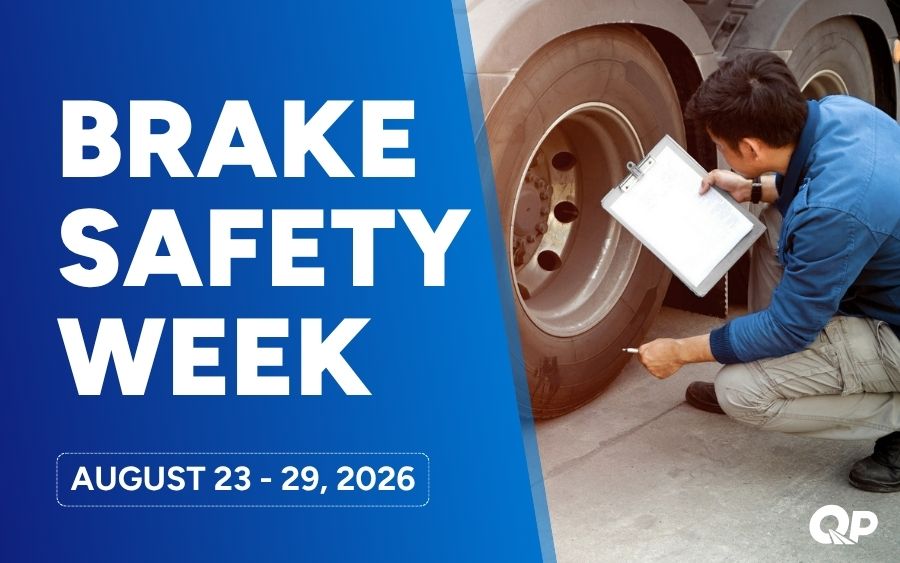
- Dates: August 23 – 29, 2026
- Focus Area: Brake drums and rotors
- Action Step: Inspect, maintain, and document brake health
Brake Safety Week 2026 is scheduled for August 23-29, 2026. This annual Commercial Vehicle Safety Alliance (CVSA) initiative is a seven-day inspection and enforcement campaign focused on commercial vehicle brake systems and components throughout the U.S., Canada, and Mexico.
During Brake Safety Week, CVSA-certified inspectors will conduct roadside commercial vehicle inspections with an emphasis on brake systems. Vehicles with brake-related out-of-service violations—or other out-of-service violations—will be removed from the road until the violations are corrected.
This year, inspectors will place special emphasis on brake drums and rotors, making brake maintenance an especially important priority for trucking companies, fleets, owner-operators, and commercial drivers.
What Is Brake Safety Week?
Brake Safety Week is a week-long enforcement initiative where CVSA-certified inspectors will conduct roadside inspections across North America, Brake Safety Week is an annual CVSA inspection and enforcement initiative designed to improve commercial motor vehicle brake safety across North America. The campaign is part of CVSA’s broader Operation Airbrake program, which focuses on reducing crashes caused by defective or improperly maintained braking systems.
Throughout the week, trained and certified inspectors in the United States, Canada, and Mexico will conduct routine commercial vehicle inspections with a particular focus on brakes and related components. Inspectors will also collect data on brake-related violations, which CVSA will analyze and report later in the year.
Brake Safety Week serves several important purposes:
- Safety enforcement: Identifying and removing unsafe commercial vehicles from the road.
- Brake inspection: Checking brake systems and components for defects that could affect vehicle safety.
- Data collection: Gathering information about brake-related violations and vehicle conditions.
- Education and awareness: Helping drivers, motor carriers, mechanics, and fleet operators understand the importance of proactive brake maintenance.
The goal isn’t simply to issue violations. Brake Safety Week is designed to encourage better maintenance practices, improve compliance, reduce crashes, and make North American roadways safer.
When Is Brake Safety Week 2026?
Brake Safety Week 2026 will take place August 23-29, 2026.
During this seven-day period, CVSA-certified inspectors across the United States, Canada, and Mexico will conduct commercial motor vehicle inspections with a focus on brake systems and components.
Motor carriers and drivers should not wait until August 23 to start preparing. A thorough brake inspection and any necessary repairs should be completed well before the campaign begins.
2026 Brake Safety Week Focus: Brake Drums and Rotors
The primary focus of Brake Safety Week 2026 is brake drums and rotors.
CVSA is emphasizing these components because damaged or deteriorated drums and rotors can affect braking efficiency. In addition, broken pieces can become dislodged from a moving commercial vehicle, potentially striking other vehicles or causing injuries and fatalities.
During your pre-trip, post-trip, and maintenance inspections, pay particular attention to:
Cracks and Structural Damage
Inspect visible portions of brake drums and rotors for cracks or other signs of structural damage. A damaged drum or rotor can compromise braking performance and may become a serious safety hazard if it fails while the vehicle is operating.
Excessive Wear
Brake drums and rotors can deteriorate over time through normal use. Excessive wear can reduce braking performance and may cause a component to fall outside acceptable specifications.
Contamination
Oil, grease, and other contaminants can interfere with proper braking performance. Any signs of contamination should be investigated and corrected promptly.
Broken or Missing Components
Inspectors will be looking for damage that could cause pieces of drums or rotors to break away from the vehicle. Any component showing significant damage should be evaluated and repaired or replaced before the vehicle returns to service.
Because this year’s campaign specifically emphasizes drums and rotors, carriers should make these components a priority during pre-Brake Safety Week maintenance.
What to Expect During Brake Safety Week 2026
During August 23-29, commercial drivers and motor carriers should be prepared for increased attention to brake systems during roadside inspections.
Here’s what to expect:
- Increased brake-focused inspections: CVSA-certified inspectors throughout the U.S., Canada, and Mexico will conduct commercial motor vehicle inspections with an emphasis on brake systems.
- Brake system inspections: Inspectors will examine brake components for defects and violations that could affect vehicle safety.
- Drum and rotor emphasis: Brake drums and rotors will receive special attention during this year’s campaign.
- Out-of-service violations: Vehicles with brake-related or other out-of-service violations will be removed from the roadway until the violations are corrected.
- Data collection: Inspectors will report inspection and brake-related violation data to CVSA for analysis and publication later this year.
- Education and awareness: CVSA and participating officials will also emphasize the importance of proactive brake inspection and maintenance.
The campaign applies to commercial motor vehicles throughout North America, so both large fleets and owner-operators should be prepared.
Brake Safety Week 2025 Results
Last year’s Brake Safety Week results show why brake maintenance deserves serious attention.
According to the CVSA’s 2025 Brake Safety Week results, inspectors in 52 North American jurisdictions conducted 15,175 commercial motor vehicle inspections focused on brake systems and components. Of those vehicles, 2,296 were placed out of service for brake-related violations, representing a 15.1% brake-related out-of-service rate.
CVSA also reported that 528 vehicles were tested using Performance-Based Brake Testers (PBBTs) during the 2025 campaign. Twenty-five vehicles failed to meet the required 43.5% minimum braking efficiency and were placed out of service.
These results reinforce the importance of addressing brake problems before a truck reaches an inspection station.
How to Prepare for Brake Safety Week 2026
The best way to avoid an out-of-service violation is to identify and correct brake problems before Brake Safety Week begins.
Use this checklist to help prepare your trucks and drivers:
1. Conduct Thorough Pre-Trip and Post-Trip Inspections
Don’t limit your brake inspection to a quick visual check. Carefully inspect the visible portions of your braking system and pay particular attention to drums and rotors.
Look for cracks, excessive wear, contamination, damage, and other conditions that could affect braking performance.
2. Inspect Brake Drums and Rotors
Since drums and rotors are the 2026 Brake Safety Week focus area, make them a priority during your pre-campaign maintenance inspections.
Have qualified maintenance personnel inspect components that may not be fully visible during a routine driver inspection and address any concerns before the vehicle goes on the road.
3. Check Air Brake Components
For vehicles equipped with air brakes, inspect the system for potential issues such as air leaks, damaged hoses, improper brake adjustment, and excessive pushrod travel.
Brake system problems that may seem minor can become serious safety issues if they are left unresolved.
4. Pay Attention to Warning Signs
Drivers should report unusual braking behavior immediately.
Grinding, squealing, pulling to one side, vibrations, reduced braking performance, or other changes in braking behavior can indicate a problem that requires inspection.
5. Complete Repairs Before the Inspection Campaign
Don’t wait until the week of August 23-29 to schedule brake repairs.
If a pre-trip inspection, driver report, or maintenance inspection identifies a brake problem, have it evaluated and repaired as soon as possible. Proactive maintenance can help prevent unexpected downtime and an out-of-service violation.
6. Keep Maintenance Records Current
Maintain accurate records of brake inspections, repairs, and other maintenance activities. Good maintenance documentation helps demonstrate that your fleet is actively managing vehicle safety and can make it easier to track recurring issues.
The Cost of Brake Maintenance and Trucking Downtime
Brake repairs and preventive maintenance are unavoidable costs of operating a commercial trucking business. The financial challenge is that these expenses don’t always arrive at convenient times.
A truck may need brake repairs while a carrier is still waiting 30, 60, or even 90 days for a customer to pay an outstanding freight invoice.
Freight factoring can help trucking companies maintain consistent cash flow by converting outstanding freight invoices into working capital. Instead of waiting weeks or months for customers to pay, carriers can access funds tied to completed deliveries and use that cash flow for fuel, maintenance, payroll, repairs, and other operating expenses.
For trucking companies preparing for Brake Safety Week, reliable cash flow can make it easier to address necessary brake repairs before they become a larger operational problem.
Why Brake Safety Week 2026 Matters
Brake Safety Week is more than a one-week enforcement campaign. It is a reminder that commercial vehicle brake safety requires year-round attention.
Proper brake maintenance can help trucking companies reduce breakdowns, avoid unnecessary downtime, prevent out-of-service violations, and most importantly, keep drivers and other motorists safe.
With Brake Safety Week 2026 taking place August 23-29, now is the time for trucking companies, fleet managers, owner-operators, drivers, and maintenance teams to inspect their brake systems and address potential problems.
A proactive approach to brake maintenance can help keep your trucks moving safely—not just during Brake Safety Week, but throughout the year.